Running pharma primary research or healthcare investment due diligence means you need access to the right experts, fast. The challenge? Most expert network platforms for life sciences research rely on recycled databases, leaving your team with generic insights that competitors already have.
Techspert gives you access to experts that other networks can't find, including KOLs and specialists who haven't consulted before. This article compares the top six platforms for pharma research and healthcare due diligence so you can choose the right partner for your next project.
You'll learn what each platform does well, where they fall short, and which features matter most for your research goals.
Quick guide: 6 expert network platforms for pharma research and due diligence
1. Techspert: The best platform for finding unique life sciences experts using AI-powered custom search
2. GLG: A large network with broad healthcare coverage and established compliance infrastructure
3. Guidepoint: Offers flexible engagement models with a 13,000+ transcript library
4. Third Bridge: Analyst-moderated expert calls with structured interview formats
5. AlphaSights: Known for rapid expert matching and high-volume call scheduling
6. Atheneum: Multilingual coverage across life sciences with emerging market reach
How we chose expert network platforms for pharma and due diligence
Finding the right expert network for pharma research isn't just about who has the biggest database. You need experts who match your specific criteria, whether that's rare disease KOLs, former FDA reviewers, or payers with experience in your target market.
We evaluated each platform based on criteria that matter for healthcare and life sciences research:
- Expert precision: Can the platform find specialists who match nuanced screening criteria, not just general industry experience?
- Speed to insight: How quickly can you get from request to scheduled expert call?
- HIPAA and GDPR compliance: Does the platform meet regulatory requirements for sensitive healthcare research?
- Transcript and AI tools: What happens after the call? Can you extract structured insights without hours of manual work?
- KOL and HCP access: How deep is the network's coverage of physicians, pharmacists, and healthcare decision-makers?
- Due diligence support: Does the platform support investment research workflows, including competitor analysis and market validation?
The 6 expert network platforms for pharma research and due diligence
1. Techspert: Best overall expert network for pharma and life sciences
Techspert connects healthcare and life sciences professionals with subject matter experts through an AI-powered primary research platform. What makes Techspert stand out is its custom search technology, built by Cambridge data scientists, which scans billions of data points to find experts that traditional networks miss.
For pharma research and healthcare due diligence, this matters because 1 in 4 experts sourced by Techspert are consulting for the first time. You get fresh perspectives and unique insights instead of the same recycled opinions your competitors are hearing.
The platform delivers transcripts and AI-generated call summaries ready for review shortly after each interview. A dedicated project delivery team, trained in life sciences and healthcare, handles expert matching so you can focus on your analysis.
Techspert features
- AI-powered expert search: Cambridge data scientists built proprietary technology that scans publications, clinician profiles, and regulatory documents to match you with precise experts in minutes
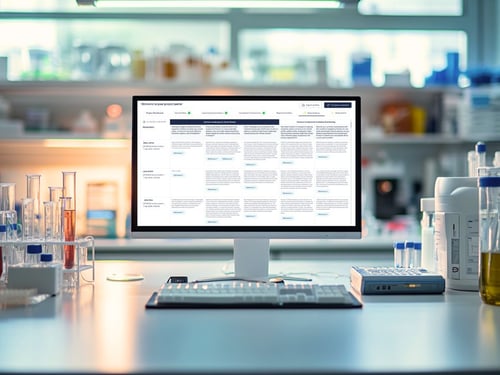
- Automated data capture: Expert responses are organized into Q&A grids automatically, with timestamped references so you can verify answers from audio recordings
- 30-minute transcript delivery: Get call transcripts and quote-sized audio snippets delivered shortly after your interview ends
- HIPAA-compliant platform: Built for sensitive healthcare research with GDPR compliance and dedicated data security protocols
- Cross-call AI analysis: Ask questions across multiple interviews to surface trends, quotes, and data points for your deliverables
- Dedicated project managers: Trained specialists who understand pharma, biotech, and medtech terminology handle your expert sourcing
Techspert pros and cons
Pros:
- Access to experts who haven't consulted before gives you insights competitors don't have
- 70% expert acceptance rate, double the industry standard, reduces scheduling delays
- AI tools turn interview content into structured deliverables without manual work
Cons:
- Focused specifically on healthcare and life sciences, so not designed for general business research
- Custom search model means expert profiles are sourced per project rather than browsed from a static database
- Best suited for teams with ongoing primary research needs rather than occasional one-off calls
2. GLG: Broad healthcare network with global scale
GLG maintains one of the largest expert networks in the industry, with more than 225,000 healthcare professionals available for consultations. The platform connects pharma and biotech teams with healthcare providers, regulatory experts, and key opinion leaders across multiple therapeutic areas.
GLG's compliance framework is well-established, which makes it a common choice for organizations with strict regulatory requirements. The platform supports multiple engagement formats, including one-on-one calls, surveys, and group discussions.
GLG features
- Large healthcare network: Over 225,000 professionals across the healthcare sector
- Multiple engagement formats: One-on-one consultations, surveys, and syndicated insights
- Established compliance infrastructure: Mature protocols for regulated industry research
GLG pros and cons
Pros:
- Broad coverage makes it useful for exploratory research across multiple therapeutic areas
- Well-documented compliance processes for regulated industries
- Enterprise workflow support for large organizations
Cons:
- Expert matching relies more on database size than on custom recruitment for each project
- Subscription-based pricing may not fit teams with variable research volumes
- Less specialized for niche therapeutic areas requiring highly targeted expert profiles
3. Guidepoint: Flexible engagement models with transcript library
Guidepoint offers on-demand access to healthcare experts through one-on-one consultations, surveys, and a content library of over 13,000 transcripts. The platform's flexible pricing and engagement options make it accessible for teams with different research budgets.
The Guidepoint Insights Library contains transcripts and recordings spanning therapeutics, medical technology, and healthcare services. This allows you to review existing content before scheduling live expert calls.
Guidepoint features
- Transcript library: Over 13,000 transcripts and recordings across healthcare topics
- Guidepoint Surveys: Access consensus from up to 100 healthcare professionals
- Flexible engagement models: Calls, surveys, and content access options
Guidepoint pros and cons
Pros:
- Transcript library lets you research topics before spending time on live calls
- Survey capabilities support quantitative research at scale
- Responsive client support for project coordination
Cons:
- Expert matching quality depends on how well you frame your research questions
- Less focus on custom recruitment means some experts may have consulted many times before
- Platform experience can vary based on client-led versus moderated engagement
4. Third Bridge: Analyst-moderated expert calls
Third Bridge differentiates through its analyst-moderated interview format, where in-house analysts lead expert conversations rather than leaving clients to conduct calls independently. The Forum transcript library contains over 100,000 expert interviews.
This moderated approach can produce more structured and comparable findings across multiple expert engagements. Third Bridge also creates company value chain models that map how businesses create and defend value.
Third Bridge features
- Analyst-led interviews: In-house healthcare analysts moderate expert conversations
- Forum transcript library: Over 100,000 searchable expert interview transcripts
- Company value chain models: Structured competitive analysis frameworks
Third Bridge pros and cons
Pros:
- Analyst moderation creates consistency across expert interviews
- Large transcript library supports pre-call research
- Structured formats work well for investment diligence workflows
Cons:
- Moderated format means less flexibility to direct conversations in real-time
- Bundled pricing for calls and library access may increase costs
- Less effective for highly time-sensitive expert requests
5. AlphaSights: Rapid expert matching for high-volume research
AlphaSights focuses on speed, with scheduling technology designed to eliminate back-and-forth when booking expert calls. The platform's AlphaGPT tool uses generative AI to synthesize insights from its research library.
The custom search model recruits experts specifically for each client request rather than relying solely on a static database. AlphaSights operates from nine global offices with teams speaking 60+ languages.
AlphaSights features
- One-click scheduling: Automated availability matching reduces booking delays
- AlphaGPT: Generative AI tool for querying the expert research library
- Global multilingual team: 2,000+ professionals across nine cities
AlphaSights pros and cons
Pros:
- Scheduling automation works well for high-volume research programs
- AI summaries help distill key points from call transcripts
- Multilingual support covers global healthcare research needs
Cons:
- Speed-focused model may prioritize turnaround over expert precision
- Healthcare depth varies compared to networks focused specifically on life sciences
- Client-led calls require more preparation to get targeted insights
6. Atheneum: Multilingual life sciences coverage
Atheneum focuses on life sciences research with experts across oncology, neurology, cardiology, and other therapeutic areas. The platform supports expert interviews in 60 languages and offers research services including surveys and white-label reports.
The network includes physicians, KOLs, former payers, regulatory consultants, and former industry leaders from pharma, biotech, and medical devices. Atheneum's expert-backed research services can handle moderated interviews and transcript delivery.
Atheneum features
- Therapeutic area coverage: Experts across oncology, neurology, dermatology, cardiology, and more
- 60-language support: Native language moderation and transcript translation
- Expert-backed research: White-label reports, surveys, and moderated interviews
Atheneum pros and cons
Pros:
- Multilingual capabilities support global healthcare research
- Life sciences specialization means deeper therapeutic area expertise
- Research services can handle projects where you need moderated support
Cons:
- Smaller network size than generalist platforms
- Platform technology is less developed than some AI-focused competitors
- Project timelines may be longer for highly specialized expert requests
Comparison table: Expert network platforms for pharma research
| Platform |
AI Expert Search |
Automated Data Capture |
HIPAA Compliance |
| Techspert |
✓ |
✓ |
✓ |
| GLG |
✗ |
✗ |
✓ |
| Guidepoint |
✓ |
✗ |
✓ |
| Third Bridge |
✗ |
✗ |
✓ |
| AlphaSights |
✓ |
✗ |
✓ |
| Atheneum |
✗ |
✗ |
✓ |
What compliance features should you look for in a pharma expert network?
HIPAA and GDPR compliance are non-negotiable when conducting healthcare research. A platform should have documented policies for handling protected health information and personal data.
Look for expert networks that train experts on appropriate disclosure before calls begin. Conflict-of-interest screening should flag potential issues, such as experts who recently left target companies or who hold relevant investments.
Audit trails matter for regulated research. Your platform should track when calls occurred, who participated, and what topics were discussed. This documentation becomes essential if questions arise during investment committee reviews or regulatory inquiries.
How do AI tools help with pharma primary research?
AI-powered expert matching scans more data points than human recruiters can review manually. This means finding specialists in narrow therapeutic areas, like CAR-T therapy or GLP-1 agonists, faster than traditional database searches.
Post-call AI tools turn conversations into structured deliverables. Instead of listening to recordings and taking notes, you can query transcripts, surface relevant quotes, and compare responses across multiple experts.
Techspert's AI assistant, for example, organizes expert responses into Q&A grids with timestamped audio references. You can verify any answer directly from the source recording and download snippets for your presentations.
Why Techspert is the best expert network for pharma and due diligence
Pharma research and healthcare due diligence require more than access to a large database. You need experts who can answer your specific questions, whether that's a former FDA reviewer who knows your regulatory pathway or a payer who understands reimbursement in your target market.
Techspert delivers this precision through AI-powered custom search that finds experts other networks can't reach. With 1 in 4 experts consulting for the first time, your research captures perspectives that haven't been shared with competitors.
The platform handles the work that slows down research teams: scheduling, transcription, and data organization. Automated Q&A grids with timestamped references mean you can verify insights and share evidence without manual note-taking.
Start your next pharma research project with Techspert and see how AI-powered expert matching delivers unique insights for your investment decisions.
FAQs about expert network platforms for pharma and due diligence
What is an expert network platform for life sciences?
An expert network platform connects researchers with industry professionals who have specialized knowledge in healthcare and life sciences. These platforms help pharma companies, investors, and consultants conduct primary research by arranging conversations with physicians, former executives, KOLs, and other specialists.
Techspert focuses specifically on healthcare and life sciences, using AI search technology to find experts who match precise research criteria.
How do expert networks support healthcare investment due diligence?
Expert networks help investment teams validate assumptions about healthcare companies and markets. You can speak with customers, competitors, and former employees to understand market dynamics, competitive positioning, and operational challenges before making investment decisions.
Techspert supports due diligence workflows with fast expert matching, automated transcripts, and AI tools that help you compare insights across multiple interviews.
What types of healthcare experts can I access through these platforms?
Healthcare expert networks connect you with physicians across specialties, KOLs, pharmacists, nurses, hospital administrators, payers, former FDA reviewers, and industry executives. You can also find experts in regulatory affairs, market access, medical affairs, and clinical development.
Techspert maintains coverage across all therapeutic areas and can source niche specialists that other platforms struggle to find.
How quickly can I schedule an expert call for pharma research?
Timeline varies by platform and expert availability. Techspert delivers expert profiles rapidly, with over half of the profiles delivered in less than 24 hours. The platform's 70% expert acceptance rate also reduces scheduling delays compared to networks where experts frequently decline requests.
Are expert network calls compliant with healthcare regulations?
Reputable expert networks have compliance frameworks that include confidentiality agreements, conflict screening, and expert training on appropriate disclosure. Techspert maintains HIPAA and GDPR compliance for sensitive healthcare research and rigorous, market-leading compliance standards.
Always confirm a platform's compliance credentials before starting projects involving protected health information or investment-sensitive topics.